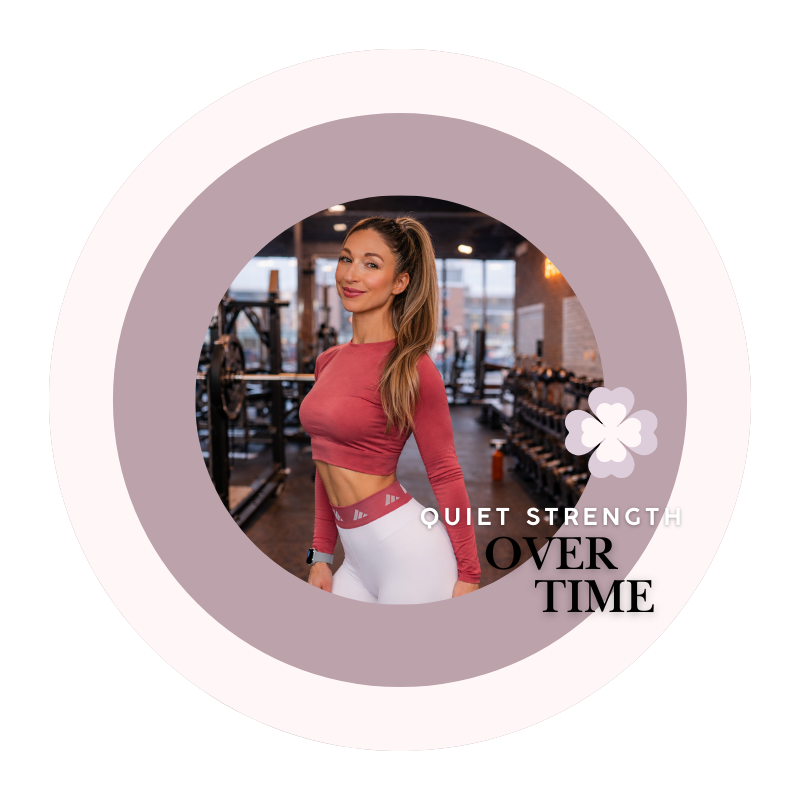
Strength training after 35 is not optional — it is the single most effective habit for preserving muscle, supporting metabolism, and maintaining physical independence as you age. If you only do one thing for your long-term health, this is it.
The Silent Change That Happens After 35
Around the mid-30s, the body begins to lose lean muscle mass at a rate of roughly 3–8% per decade. This process, called sarcopenia, is gradual and often goes unnoticed until its effects become visible – more body fat, less definition, slower recovery, and a metabolism that no longer responds the way it used to.
The result: fat gain becomes easier, muscle loss accelerates, and the body gradually adapts to lower physical demand. Without a direct signal to maintain muscle tissue, the body simply stops prioritising it.
Strength training is that signal.
Why Strength Training After 35 Is Non-Negotiable
Resistance training does far more than build visible muscle. For women over 35, it works on several levels simultaneously:
Strength training is not simply about aesthetics. It is one of the most powerful habits to support long-term health, metabolic resilience, and physical independence later in Muscle preservation – Every resistance training session sends a signal to your body to maintain and rebuild muscle tissue. This directly counteracts the effects of sarcopenia and keeps your metabolism elevated.
Bone density – Weight-bearing exercise stimulates bone remodelling. This becomes increasingly important after 35, when bone density begins to decline and the risk of osteoporosis increases over time.
Insulin sensitivity – Muscle tissue is the primary site for glucose uptake. More muscle means better blood sugar regulation, lower insulin resistance, and a reduced risk of metabolic disease.
Hormonal balance – Strength training supports healthy cortisol regulation, improves sleep quality, and has been shown to support estrogen metabolism — all of which matter significantly for women in their mid-30s and beyond.
Physical resilience – Stronger muscles protect joints, improve posture, and reduce the risk of injury in everyday life. This is what physical independence looks like at 50, 60, and beyond.
How Often Should Women Train After 35?
A sustainable strength routine does not need to be extreme. Two to four resistance training sessions per week are enough to maintain muscle, support metabolism, and improve overall strength – provided the sessions are structured and progressive.
Here is what a simple weekly structure can look like:
- Monday — Upper body push (chest, shoulders, triceps)
- Tuesday — Lower body (quads, glutes, hamstrings)
- Thursday — Upper body pull (back, biceps)
- Saturday — Full body or glute focus
Rest days are not wasted days. Muscle is built during recovery, not during the workout itself. Sleep, protein intake, and stress management all influence how well your body responds to training.
What Makes Strength Training Different From Cardio
Cardio burns calories during the session. Strength training burns calories during and after – through a process called excess post-exercise oxygen consumption (EPOC), the body continues to use energy for hours after a resistance session to repair muscle tissue.
Over time, more muscle means a higher resting metabolic rate. This is why two women with the same body weight can have very different calorie needs depending on their muscle mass.
For fat loss after 35, strength training is therefore more effective long-term than cardio alone. The goal is not to choose one or the other – but to prioritise resistance training and use cardio as a complement.
How to Start If You Haven’t Trained in a While
Starting from scratch – or restarting after a long break – does not require anything extreme. The most important principle is progressive overload: gradually increasing the challenge over time, whether through more weight, more reps, or less rest.
Begin with two sessions per week, focusing on compound movements that train multiple muscle groups at once: squats, deadlifts, rows, presses. These give you the most return per session and build a strong foundation.
Form matters more than weight. A well-executed bodyweight squat is more valuable than a heavy squat with poor mechanics. Start controlled, build confidence, then add load.
The Bottom Line
Strength training after 35 is the most evidence-backed, highest-return habit you can build for long-term health. It preserves muscle, supports metabolism, protects bones, improves insulin sensitivity, and keeps you physically capable for decades.
It does not require hours in the gym. It requires consistency, a structured plan, and the willingness to make it a non-negotiable part of your week.
If you want a training plan built around your goal, the SmartShape Training Plan is designed exactly for this – strength-first, structured, and built for women over 35.